 rosalind.larson_393
Description
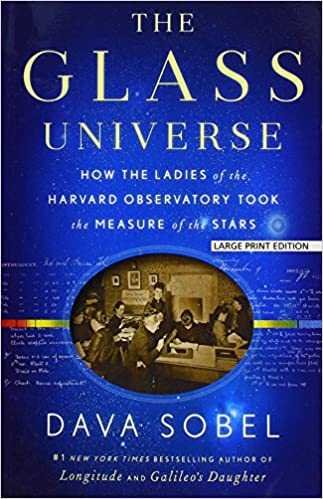
In the mid-nineteenth century, the Harvard College Observatory began employing women as calculators, or "human computers," to interpret the observations their male counterparts made via telescope each night. At the outset this group included the wives, sisters, and daughters of the resident astronomers, but soon the female corps included graduates of the new women's colleges--Vassar, Wellesley, and Smith. As photography transformed the practice of astronomy, the ladies turned from computation to studying the stars captured nightly on glass photographic plates. The "glass universe" of half a million plates that Harvard amassed over the ensuing decades--through the generous support of Mrs. Anna Palmer Draper, the widow of a pioneer in stellar photography--enabled the women to make extraordinary discoveries that attracted worldwide acclaim. They helped discern what stars were made of, divided the stars into meaningful categories for further research, and found a way to measure distances across space by starlight. Their ranks included Williamina Fleming, a Scottish woman originally hired as a maid who went on to identify ten novae and more than three hundred variable stars; Annie Jump Cannon, who designed a stellar classification system that was adopted by astronomers the world over and is still in use; and Dr. Cecilia Helena Payne, who in 1956 became the first ever woman professor of astronomy at Harvard--and Harvard's first female department chair.







Keon Lesch @rosalind.larson_393
August 31, 2021
4
The Glass Universe tells the thrilling (yes, I'm using that term advisedly) story of how women drove some of the major advances in the science of astronomy. Today, we believe we know the age of the universe (13.7 billion years, plus or minus 100 million), the size of the universe, and the contents and theory of how the stars shine. The women of the Harvard Observatory, among others, helped us find these answers.